Magic Users in RPGs
Wizards, Sorcerers, Clerics, Druids, and Warlocks
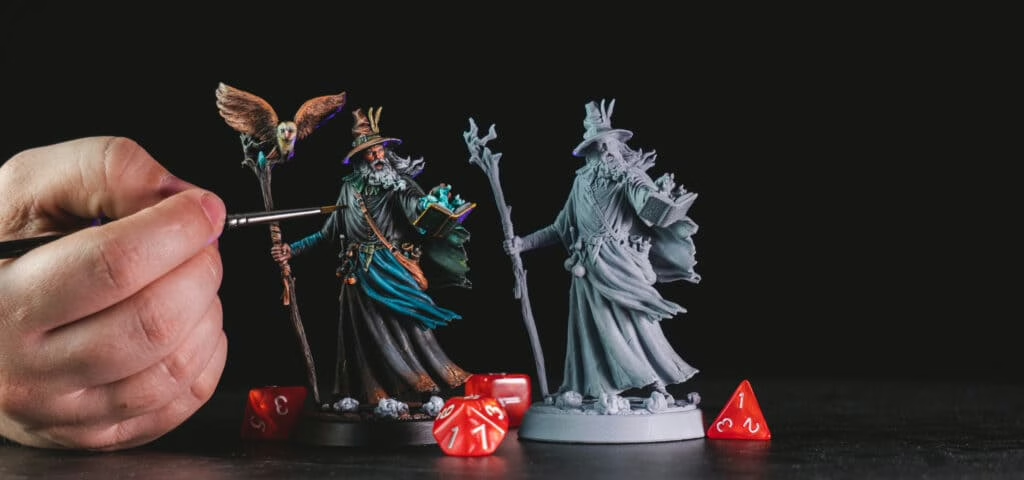
When we think about fantasy books, movies, and games, certain images come to mind. We picture old wise Wizards, brave Warriors, and fearsome dragons. There’s no denying it: we love magic, and we love Wizards. However, we tend to stereotype them a bit. In fantasy TTRPGs like D&D, there are several kinds of magic users. Each has its own traits and ways to make magic happen.
In this article, we will discuss the most well-known magic users in RPGs. We focus on those who use casting magic as their primary tool for adventures and survival. Therefore, we are not including bards, paladins, rangers, artificers, and so on.
Several Kinds of Magic
Traditionally, Dungeons and Dragons divides magic between arcane and divine. This has changed slightly throughout the Editions. Mostly, arcane casters get their power from secret formulas and lineages. Divine casters get theirs from relationships with higher concepts, like gods or nature. This roughly translates to “the ones that heal and the ones that nuke.” People strongly associate Wizards and Sorcerers with fireballs and lightning bolts. Conversely, they associate Clerics with healing and resurrection. However, they are not the only casters around, and their powers have few limits.
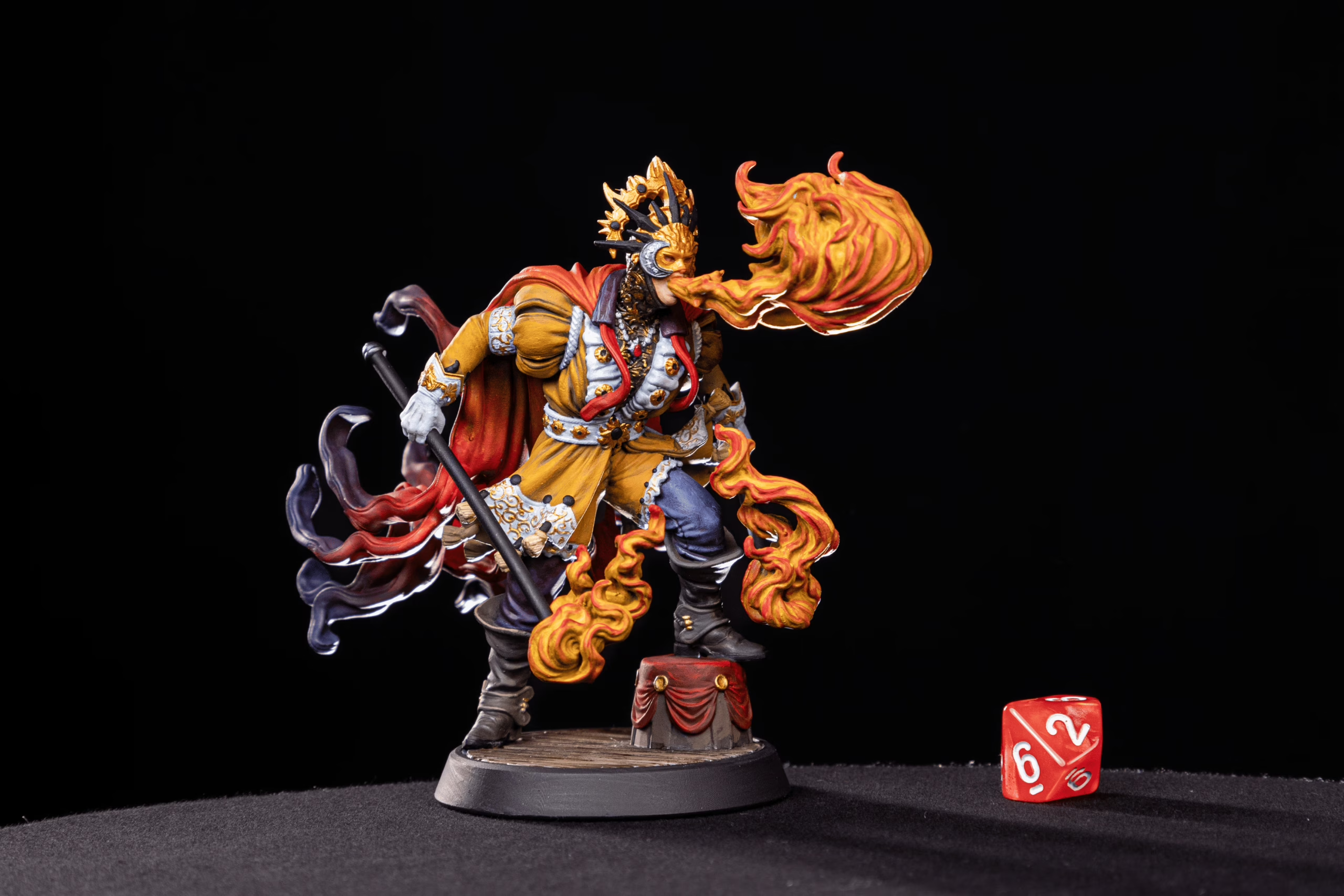
Clerics can also grant bonuses and blast people with flame. Druids can turn into beasts, summon creatures, and travel through trees. Warlocks have tricks up their unholy sleeves. They can perform these repeatedly, even if they aren’t always as flashy as a fireball. Your class choice is not only about what you can do. It’s about how often, how hard, and with what flair you do it. Being blasted by a Druid, a Cleric, a Mage, a Warlock, or a Sorcerer feels very different. In a narrative game, how you picture it matters. It changes how you, the other players, and the DM feel.
It’s Not Always What You Get, But How You Get It
We have talked a little bit about the main types of magic and their sources, but there are several distinctions that may matter, on a roleplay level, depending on the kind of player or DM you are.
f you play an arcane magic user, you have choices. You can study hard in books, scrolls, and traditions to become a Wizard. You can inherit power from your blood lineage. Perhaps someone in your family had a relationship with a djinn, a dragon, or a devil. This makes you a Sorcerer. You can also make a pact with a fey, a celestial, or another obscure power. This makes you an indebted Warlock. You gain amazing powers, but you always look over your shoulder. You constantly wonder what that pact will cost you.
Not All Faith Is the Same
True faith, as a concept, is hard to grasp. In real life, faith is as unique as humans are, but in a fantasy world where the gods can descend from their place, appear as shiny avatars, and gift you a stellar mace, or grant you spells based on your practices, there are some other ways to see it.
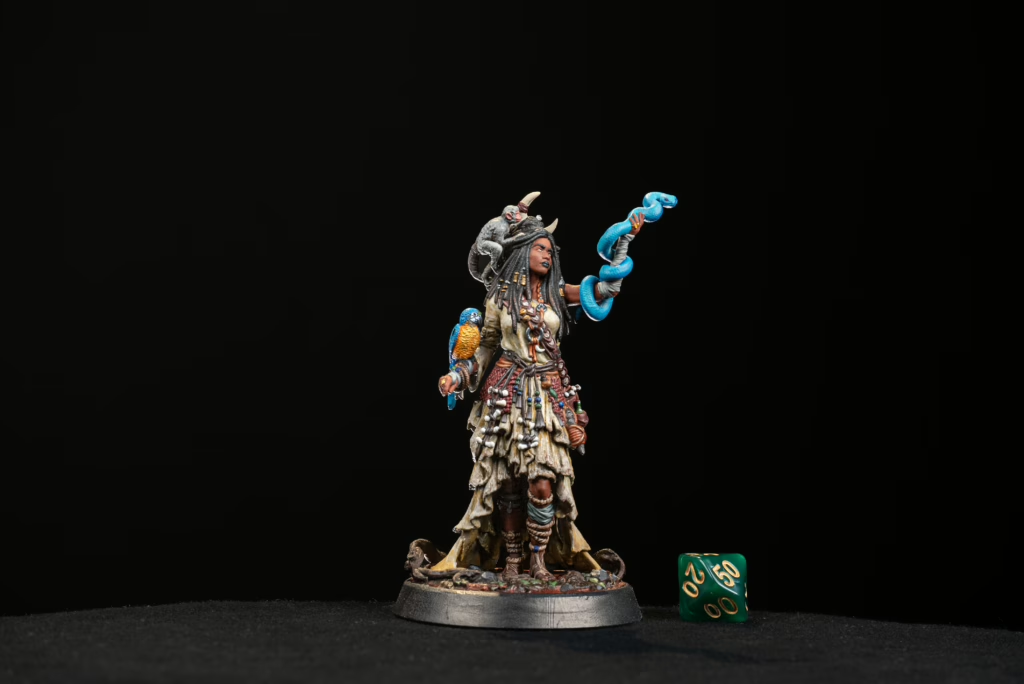
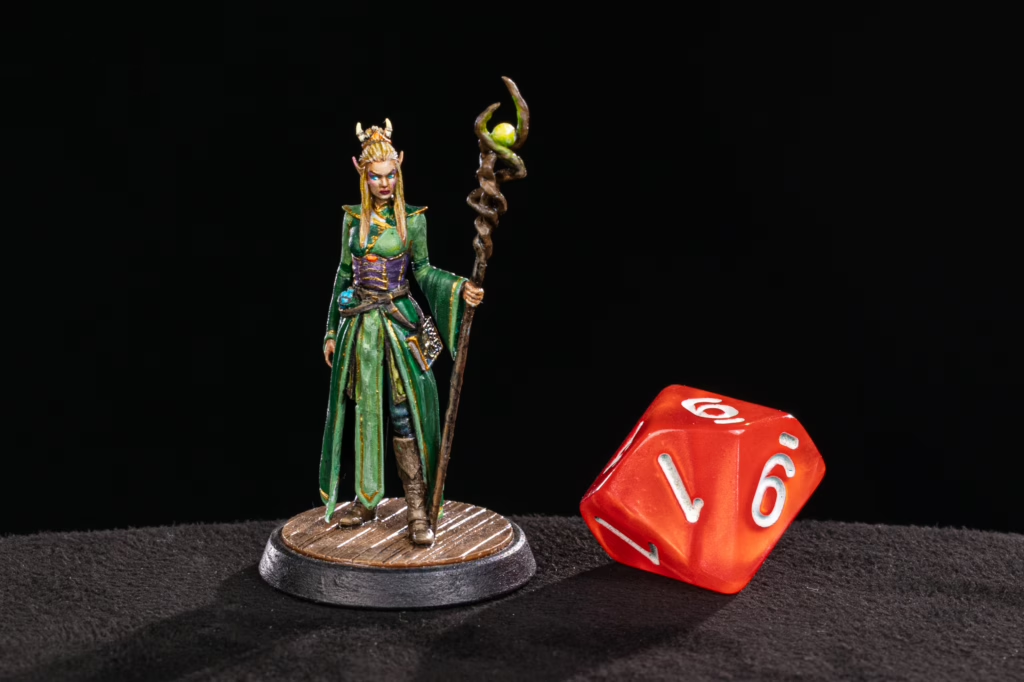
Clerics usually are seen as priests or sages who spread the word of their patron deity around, but that’s not necessarily true. You can put a different twist on a death Cleric that works as a gravedigger, a love Cleric that is a matchmaker, and so on.
Druids are even weirder because they don’t even need to believe or have faith in the gods. Their power comes from nature ,and fighting to keep wildlife healthy and taking care of animals and plants can be their way to pray.
What will be your next power source when you play a magic user? After choosing, don’t forget to check 3 things every great RPG adventure must have.
Loot Studios can help you tell your story through highly detailed miniatures. Choose your favorite bundle from our previous releases or sign up for Fantasy or Sci-Fi to receive at least one new bundle every month. You can also check out some tips on our YouTube Channel.

JP Lima is a writer, editor, TTRPG translator and overall fantasy and sci-fi enthusiast. He has been creating fantasy worlds for more time than he would like other people to know and has contributed to Brazilian magazines like Tempos Fantásticos, Mafagafo, Faísca and more. His favorite games with minis are tactical battle titles like Mice and Mystics and he loves gory, creepy and spooky figures.