Miniature Painting Paints: Choosing, Using, and Mastering Your Colors
So, you’ve got a pile of gray resin or plastic and you’re ready to turn them into living, breathing legends. That’s the dream, right? But then you hit the forums or the local hobby shop and get blasted with a firehose of brand names, “pro-level” labels, and conflicting advice. It’s enough to make anyone want to put the brushes down before the first coat is even dry.
If you’ve ever ended up with a chalky mess, lost all those crisp details under a gloopy layer of red, or felt like your paint had a mind of its own, I’ve got a secret for you: It’s probably not the paint. As your “older brother” in the hobby, I’m here to tell you that most of those frustrations come down to paint handling and technique, not the price tag on the bottle. Let’s break down how to master your colors without falling for the marketing hype.
Why Dedicated Miniature Paints? (And the Truth About Craft Paint)
Miniatures are tiny. A sword hilt the size of a grain of rice needs paint that behaves predictably. Dedicated hobby paints (like the ones we use here at Loot Studios) are just convenient. They’re formulated to be thinned easily and stay consistent.
Can you use those 99-cent craft acrylics? Sure. They aren’t “wrong,” but they’re thick and stubborn. They require a lot more work to thin down without breaking the pigment. Fabric paints? Hard pass—they stay flexible, and we want our minis to stay rigid.
Before you slap on the color, you need a primer. But let’s clear something up: a primer’s only job is adhesion. It gives the paint something to grab onto. It’s not a magic shield that improves coverage or lets you skip layers. Whether you use a fancy hobby spray or a hardware store brand, the secret is light, thin passes. If you flood the mini with primer, you’ve already lost the battle for detail before it even began.
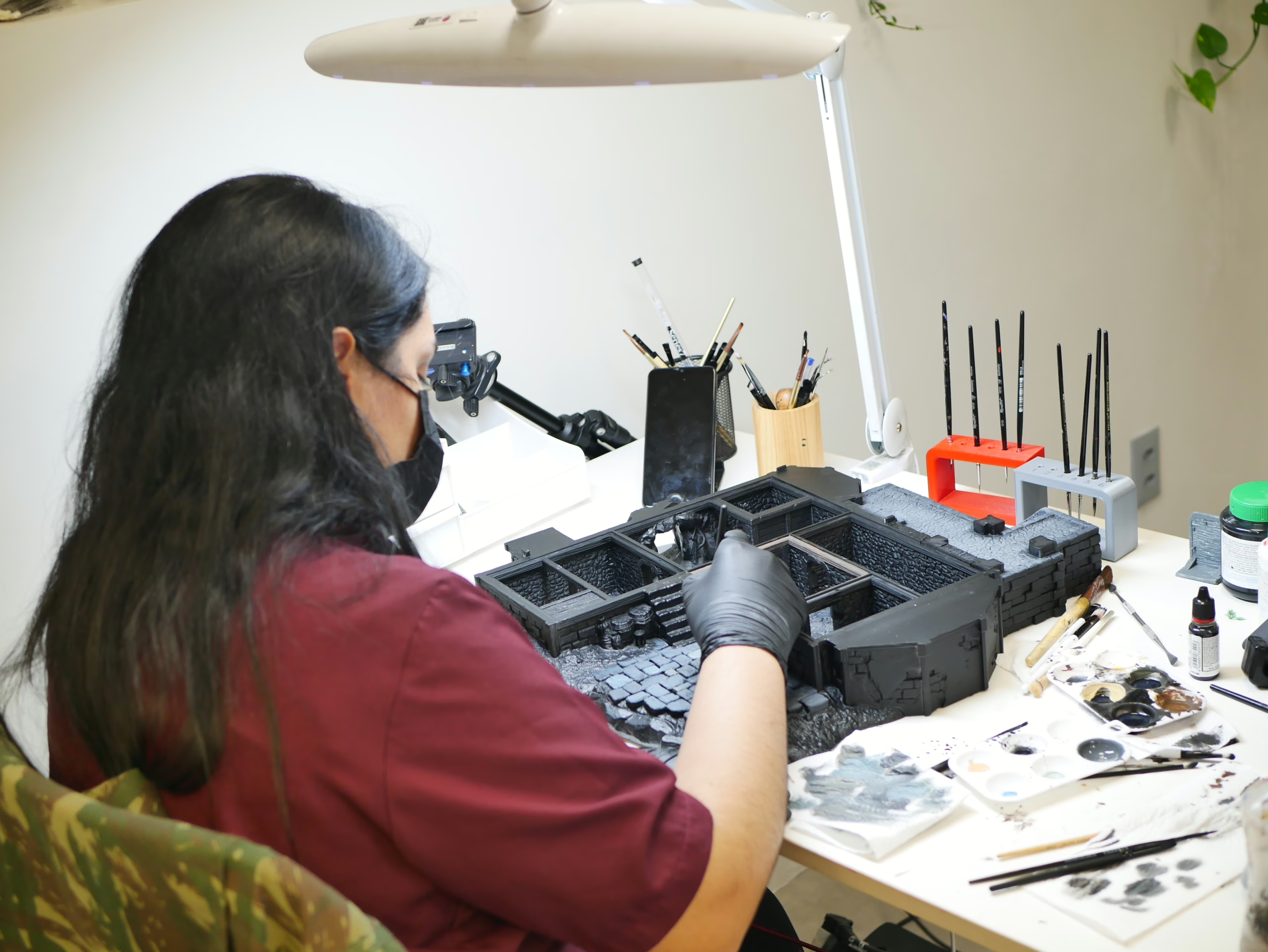
Top Brands for Miniature Painting: From Budget-Friendly to Premium
Don’t get caught in the trap of thinking “premium” paint equals “better” results. Expensive paint rewards high-level control; it doesn’t fix bad habits.
At the Entry Level
general-purpose acrylic brands like Apple Barrel or FolkArt are some good options to start with. These matte acrylics are inexpensive, easy to find in craft stores, and workable when properly thinned. They’re best suited for learning fundamentals, terrain pieces, or large surfaces, but they require more care to avoid obscuring fine details.
The Accessible Route (Army Painter, Green Stuff World)
These are the workhorses. They’re available almost everywhere and offer a great starting point for Looters building their first armies.
The Sweet Spot (Vallejo , Citadel Colour, AK Interactive)
This is where most of us live. Vallejo’s dropper bottles are a godsend for consistency, and Citadel has a tutorial for basically everything. Pro Acryl is also a fantastic choice if you want paint that behaves exactly the same way every time you squeeze the bottle.
The “Specialty” Tier (Scale75, Kimera, Artist Acrylics)
These are beautiful, but they can be temperamental. They shine once you’ve mastered thinning and layering, but they won’t save you if you’re still struggling with the basics.
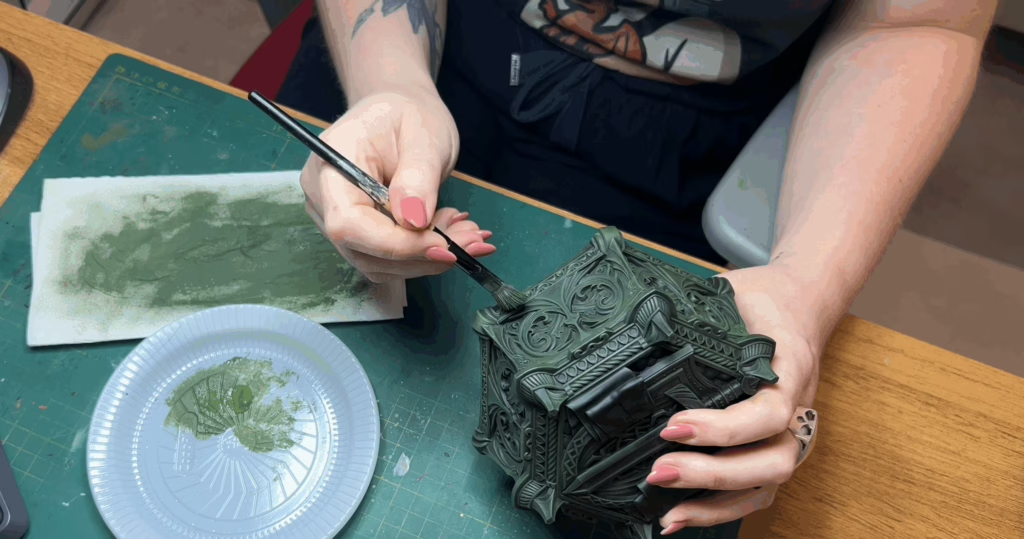
Single Pots vs. Miniature Paints Set: Which Should You Buy?
“Buy the mega-set and save money!”… well, not exactly. Sets rarely save you money per milliliter. Their real value is curation. A good starter set gives you a balanced palette so you aren’t staring at 400 shades of blue trying to pick one.
However, if you know you’re only painting a swamp-themed campaign this month, just buy the greens, browns, and grays you need. Spending your gold on individual pots you’ll actually use is way smarter than owning a “Professional” set that sits gathering dust.
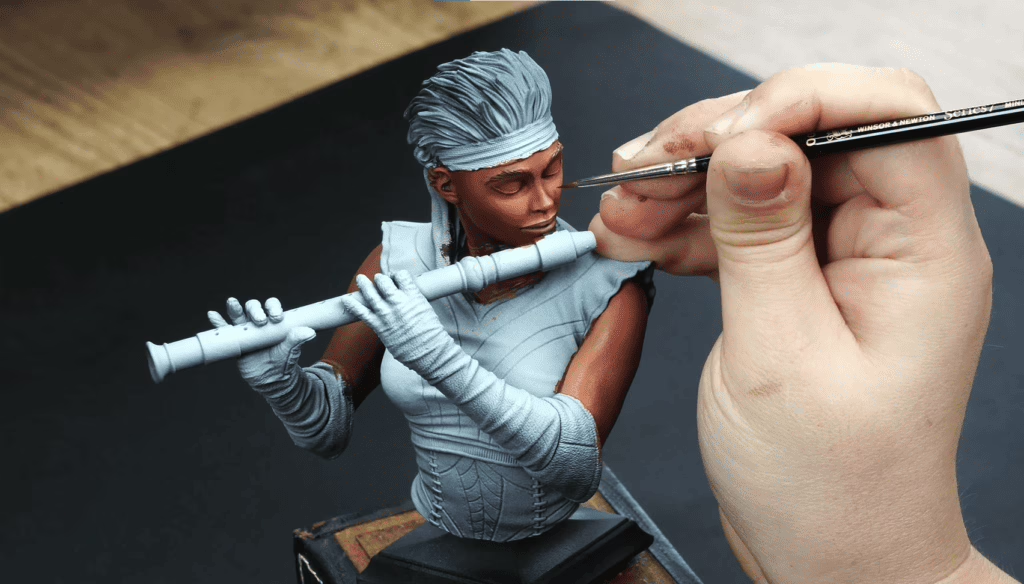
Beyond the Bottle: Essential Miniature Painting Supplies
Your tools matter, but your habits matter more.
The Brush
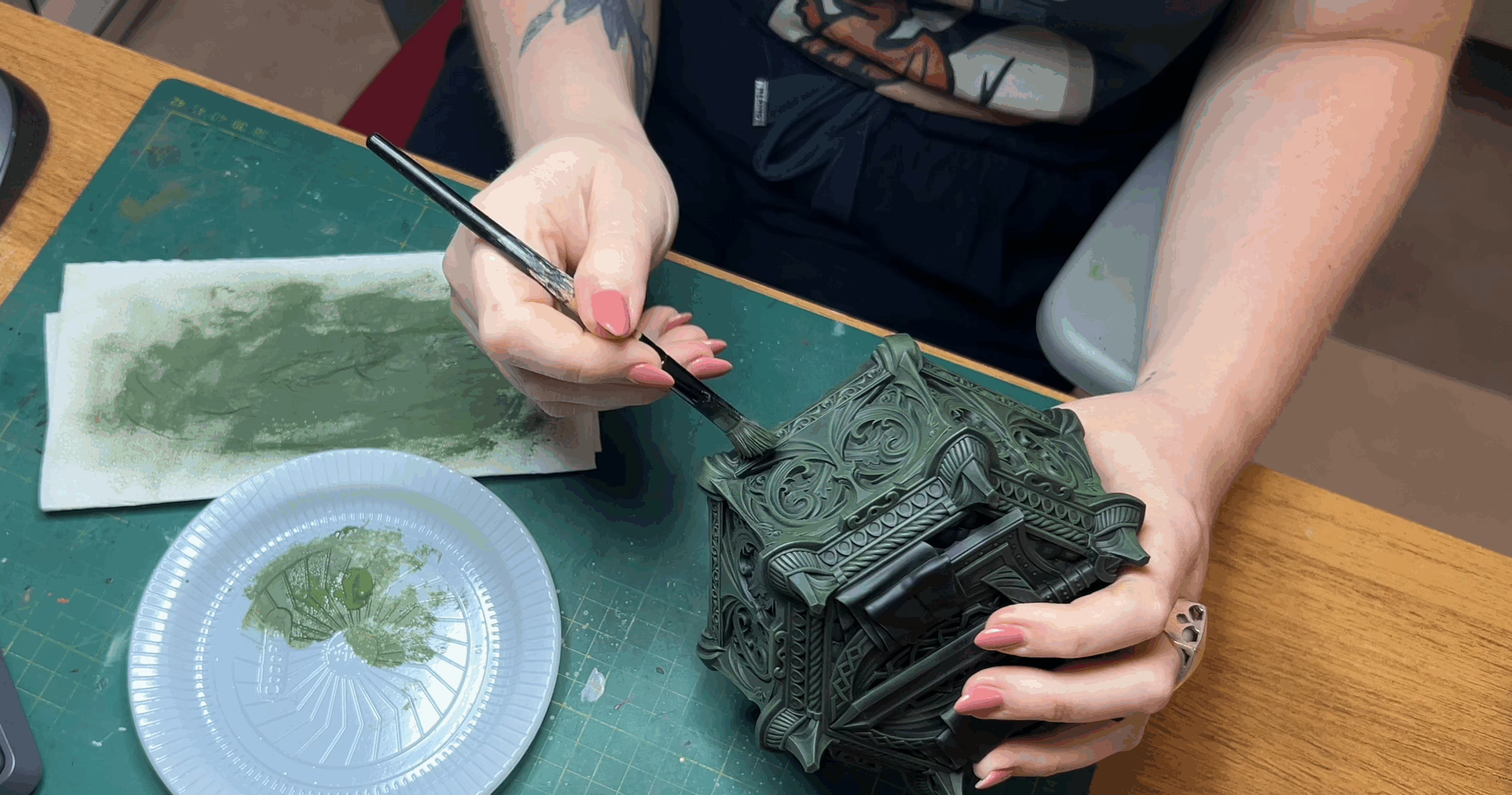
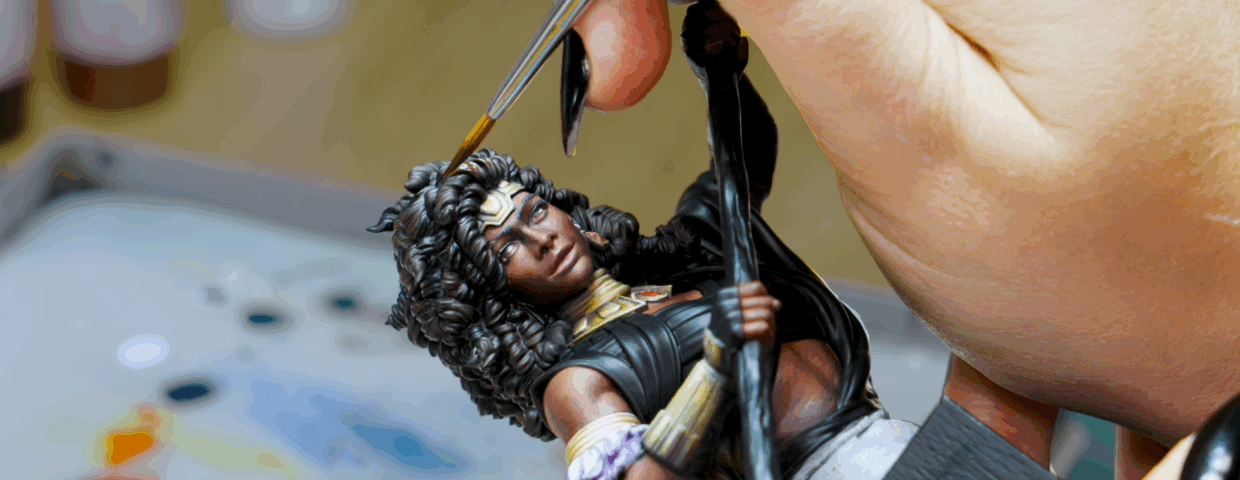
You don’t need a $30 Kolinsky sable brush to paint a masterpiece. A decent size 1 or 2 synthetic round brush will do 90% of the work. What actually matters is brush loading. If you dunk the whole brush in the pot and go straight to the mini, you’re going to have a bad time. Wipe the excess off on a palette or paper towel first. Control the paint before it touches the resin.
Varnish:
If you’re actually playing with your minis (and you should be!), protect them. A matte varnish keeps them from chipping when the Barbarian inevitably falls over.

Mastering Your New Colors: Tips from the Loot Studios Team
Once you’ve got your paints and tools ready, improvement comes from understanding behavior, not buying more bottles. Start small. A compact palette of primaries, a few secondaries, and neutral tones will teach you far more than owning dozens of near-identical colors. Learning how to mix, layer, and adjust saturation gives you real control over your results.
Thinning is non-negotiable. All acrylic paints need dilution, including premium ones, but “thin” doesn’t mean watery. Paint should flow smoothly off the brush without flooding details. Build color with multiple controlled layers, reducing the area each time, and always unload excess paint before touching the miniature. Most lost detail comes from brush loading, not paint quality.
Finally, learn visually. Seeing how paint behaves on a real miniature speeds up progress more than any written rule. That’s why our Painting With Loot series on YouTube focuses on showing techniques in action on Loot Studios models, helping you connect theory with practice and build confidence faster.
Final Thoughts
Don’t be afraid to experiment — just do it intentionally. Miniature painting is as much art as technique, and every painter develops a personal style by understanding what works and why. Explore washes, glazes, dry-brushing, and edge highlighting with purpose, paying attention to how each technique affects the surface rather than applying them everywhere. Loot Studios miniatures are designed with painters in mind, offering bold shapes and clean details that respond beautifully to controlled techniques. Remember: practice doesn’t make perfect — it makes permanent.
Loot Studios can help you tell your story through highly detailed miniatures. Choose your favorite bundle from our previous releases or sign up for Fantasy or Sci-Fi to receive at least one new bundle every month. You can also check out some tips on our YouTube Channel.

Luiza Romagnoli is an autistic Brazilian woman, journalist, and obsessed with RPG. She has been writing since she can remember, but it was in 2017, posting texts on Instagram, that she began to take it seriously. She has a poetry book published by Patuá Publishing House: sirva o chá. Nowadays, Luiza is a multi-hyphenned professional: she’s a writer, translator, English and Spanish Teacher, and has an RPG stationery store: Papelaria do Aurel. Although having all these jobs almost leave no room for her D&D sessions, she still loves them.